

Why Sustainable Materials are the Future of Socks

The fashion industry is slowly shifting towards more sustainable practices, and socks are no exception. Eco-conscious sock fabrics are becoming increasingly popular as consumers seek out products that are better for the environment. Sustainable socks not only make fashion sense but also serve a broader purpose in promoting responsibility and awareness. This blog explores the reasons why sustainable materials are the future of socks, offering insights into benefits, practices, and recommendations.
Eco-Conscious Sock Fabrics
Socks are often an overlooked garment when it comes to sustainable fashion. However, with the rise in demand for eco-friendly options, brands are innovating and adapting. Eco-conscious sock fabrics can include a variety of materials such as organic cotton, bamboo, Tencel, and recycled fibers.
Organic cotton is grown without the use of synthetic fertilizers and pesticides, making it a safer choice for the environment. According to the Textile Exchange’s 2021 report, organic cotton production is expanding, aiming to meet growing consumer demand while minimizing environmental impact.

The use of bamboo is another exciting development. Bamboo grows rapidly and requires little water. Plus, the fibers are naturally antibacterial and breathable, which makes them perfect for socks. Brands incorporating bamboo into their socks are helping to reduce waste and promoting a more sustainable approach to textile production.
Tencel, made from sustainably sourced wood pulp, is another fabric gaining traction. Its production process is environmentally friendly, and it is biodegradable, lending itself well to the principles of sustainable fashion.
Finally, the use of recycled materials is crucial. By transforming plastic waste into viable fabric, brands can reduce both landfill contributions and the need for virgin materials. This practice turns a negative impact into a positive one, creating something useful and stylish from what would have been trash.
The Impact of Sock Production on the Environment
The environmental impact of traditional sock production can be staggering. From the emissions associated with manufacturing to the waste generated during disposal, the lifecycle of a typical pair of socks often is not sustainable. Traditional materials like polyester and nylon are derived from non-renewable sources, and their production generates significant greenhouse gases.
According to the Ellen MacArthur Foundation, the fashion industry is responsible for about 10% of global carbon emissions. Socks contribute to this by using materials that take hundreds of years to decompose, clogging landfills and further contributing to pollution.
Moreover, the dyeing processes used in traditional textile production can result in water pollution. Many conventional dyes contain toxic chemicals that can leach into rivers and streams, harming aquatic life and ecosystems. Increased awareness regarding these issues has led consumers to reconsider what materials they support through their purchases.
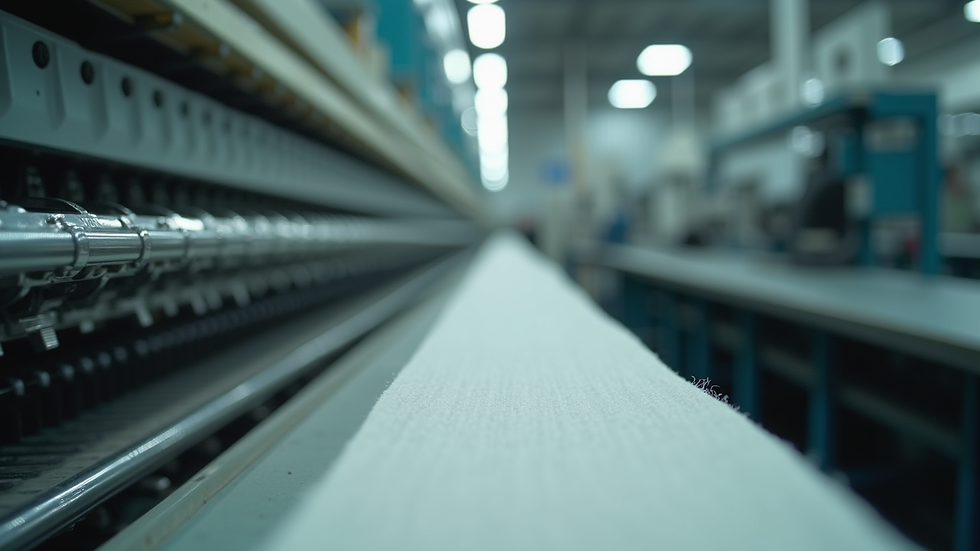
By choosing socks made from eco-conscious materials, consumers can significantly lower their personal impact on the environment. Purchasing sustainable socks can help drive demand, pushing manufacturers to adopt greener practices.
What is the Most Sustainable Material to Use?
The quest for the most sustainable fabric is ongoing, but several materials stand out based on their environmental impact and resource efficiency.
Organic Cotton
As mentioned, organic cotton is better for both the environment and human health. The cotton plant itself does not use harmful chemical fertilizers or pesticides. It also uses significantly less water compared to conventional cotton farming.
Bamboo
Bamboo deserves recognition for its rapid growth and minimal environmental footprint. It requires no pesticides and little water. Additionally, bamboo socks are soft, breathable, and moisture-wicking, making them a comfortable choice for everyday wear.
Recycled Polyester
Recycling old plastic bottles and turning them into fabric helps combat plastic pollution while being a functional material in sock production. Recycled polyester reduces reliance on fossil fuels and lessens environmental degradation.
Tencel
Tencel has gained a reputation for being an eco-friendly fabric because of its sustainable sourcing and production processes. The life cycle of Tencel is also more favorable compared to many other fabrics, as it enjoys a closed-loop production process.
Merino Wool
For those who prefer natural animal fibers, merino wool sourced from ethical farms is a renewable material that provides warmth without causing harm. Merino wool is also biodegradable, which makes it an excellent alternative to synthetic fabrics.
The Benefits of Choosing Sustainable Socks
There are numerous advantages to opting for sustainable socks, both from a personal and an environmental perspective.
Healthier for Your Skin
Sustainable materials are often kinder to your skin. Organic cotton and bamboo fibers are less likely to cause irritations, contrary to their synthetic counterparts. This is particularly important for those with sensitive skin.
Durability and Quality
High-quality sustainable materials often produce sturdier socks that last longer. For example, bamboo socks are known for their durability and resistance to wear and tear. This means you’ll end up buying less frequently, benefiting both your wallet and the environment.
Supporting Ethical Practices
By purchasing sustainable socks, you’re supporting brands that prioritize ethical labor practices and environmental stewardship. A growing number of consumers want to align their purchases with their values. When you choose eco-friendly options, you contribute to a larger movement demanding responsibility in the fashion industry.
Reducing Waste
Sustainable socks are often designed with longevity in mind. By selecting a well-made product, you contribute less waste to landfills over time. Ultimately, opting for sustainable materials encourages mindful consumerism.

Making a Mindful Choice
As consumers become more aware of their purchasing power, selecting sustainable options should be an essential part of their decision-making process. Here are some actionable steps for choosing sustainable socks:
Research Brands: Look for brands that emphasize transparency in their sourcing and production processes. Understanding how a brand operates can help you align with values that resonate with you.
Check Labels: Always examine the labels for material information. Look for certifications such as GOTS (Global Organic Textile Standard) or OEKO-TEX, which indicate adherence to specific environmental and safety standards.
Prioritize Longevity: Invest in quality over quantity. A durable pair of socks may cost more upfront but will save you money and reduce waste in the long run.
Educate Yourself: Stay updated on new sustainable practices and materials. Knowledge empowers better choices, making it easier to advocate for responsible brands.
Spread the Word: Share your newfound knowledge with friends and family. Encourage them to consider their choices and join the movement towards sustainable consumption.
Fostering a sustainable mindset is crucial for both our planet and future generations. Making simple yet impactful choices, such as switching to eco-conscious sock fabrics, can lead to meaningful change in the fashion industry.
Embracing the Future of Socks
The days of disregarding the impact of sock production are over. Sustainable materials are not just a trend - they represent the future of socks. As consumers, our choices shape demand and influence industry practices. Focusing on eco-conscious alternatives such as organic cotton, bamboo, recycled fibers, and Tencel will promote environmental responsibility and ultimately usher in an era where the products we wear support a healthier planet.
By making thoughtful choices, we can embrace sustainability in our wardrobes and foster a huge effect on the textile industry's environmental footprint. With innovations continuously emerging, we can look forward to a future filled with exciting options for our sock drawer – all while staying true to our eco-conscious values.
For more information about sustainable materials, visit Sababu.


Comments